
Fire Department Laundry Equipment: Turnout Gear, Contamination Control, and Heavy-Duty Requirements
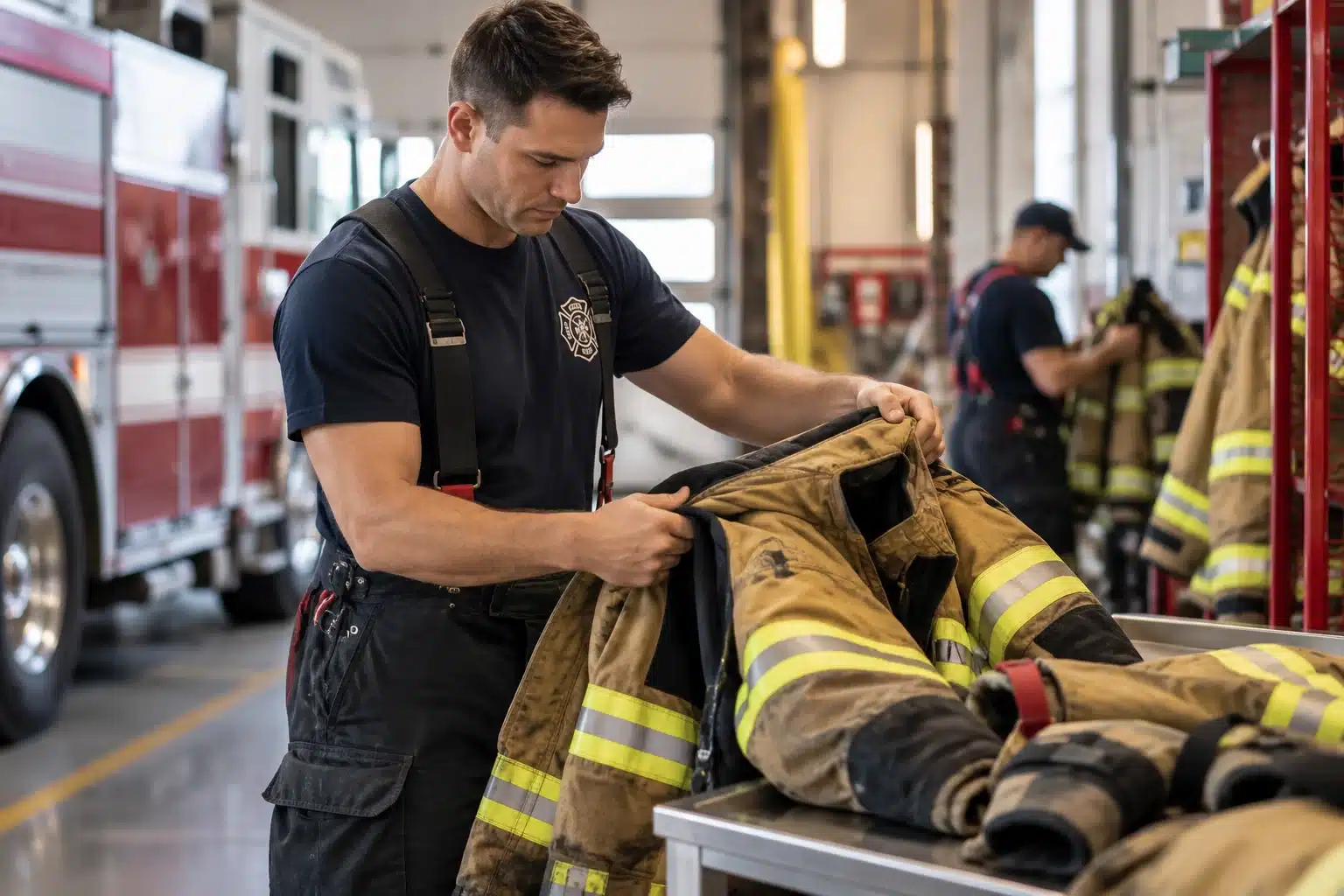
Fire department laundry equipment has to handle more than towels and uniforms. Fire halls also need to clean turnout gear, which is bulky, heavy when wet, and exposed to smoke, soot, and other contaminants on the job. That puts different demands on the machines, the room, and the way laundry is handled.
Why Fire Halls Have Different Laundry Needs
A fire hall generates several kinds of laundry. There are station linens, towels, and uniforms, which look like laundry from any commercial facility. There is also turnout gear and other protective equipment, which is a different job entirely.
Turnout coats and pants are thick, layered, and heavy. After a call, they may carry smoke residue and other contaminants. They also need careful handling to stay in service. A standard machine chosen for towels and bedding may not be the right tool for that work. That is why many departments look at their laundry setup as part of their operational equipment, not just a station convenience.
What a Turnout Gear Washer Extractor Does
A washer extractor is a commercial machine that washes the load and then spins out water at high speed, all in one unit. The extraction step matters for bulky, heavy items. Removing more water before the gear moves on to drying can reduce drying time and the strain on the dryer.
A turnout gear washer extractor is typically a heavy-duty, front-loading machine with enough capacity for bulky protective clothing. The exact capacity, spin performance, and controls you need will depend on how much gear your department cleans and how often.
Departments should also follow the gear manufacturer’s care instructions and their own policies. Those requirements come first, and equipment should be selected to support them. If you are unsure which requirements apply to your gear, confirm them with the manufacturer or the authority that governs your department before you choose a machine.
Contamination Control in the Fire Hall
Contamination control is about keeping what is on the gear from spreading to people and other spaces. The laundry area is a big part of that.
A few points are worth planning for:
- Separate gear laundry from station laundry. Many departments keep turnout gear apart from towels, bedding, and uniforms. Your department’s policy will guide this.
- Think about where gear enters and leaves the room. A layout that moves dirty gear in one side and clean gear out the other can reduce cross-contact.
- Plan for drying. Heavy gear needs a drying method that suits the manufacturer’s instructions. Ventilation and drying space deserve attention at the planning stage.
- Keep handling simple. The fewer steps between the truck bay and the machine, the easier it is for crews to follow the process every time.
The right room layout depends on your building, your call volume, and how your crews work. A site visit or detailed conversation often turns up details that a general checklist will miss.
Heavy-Duty Equipment Considerations
Fire hall laundry equipment is used in a demanding way. Gear is bulky, loads can be uneven, and machines may need to run on short notice after a major call. When comparing equipment, these factors are worth discussing with a supplier:
- Capacity. Can the machine handle the number of coats and pants your department needs to clean at one time?
- Construction. Is it a commercial, heavy-duty machine suited to repeated use with bulky loads?
- Utilities. What water, drainage, electrical, and gas or other supply does the machine need, and does your building have it?
- Drying. What is the plan for drying gear, and does the room have the ventilation to support it?
- Space and access. Can the machine be delivered, installed, and serviced in the available space?
- Service. How quickly can the machine be repaired if it goes down?
The appropriate equipment will depend on your department’s gear volume, available utilities, building layout, and operating requirements. We do not recommend a single machine for every fire hall because no single machine fits every one.
Planning for More Than One Station
Some municipalities and regions have several fire halls. Others have a single hall that serves a large area. The laundry approach can look different in each case.
Some departments install equipment at each station. Others choose a central location where gear from several halls can be cleaned. Each option has trade-offs for handling, transport, staffing, and cost. Talking through your situation with an equipment provider early can prevent costly changes later.
Replacement, Service, and Keeping Gear in Service
When turnout gear is out of service for cleaning, firefighters may need spare gear on hand. A laundry machine that is down for repairs can stretch that gap. Reliable equipment and responsive service are part of keeping a crew ready.
If your station’s machines are aging, our guide to the signs that commercial laundry equipment needs replacement can help you decide when to act. Regular maintenance can also help you avoid surprise breakdowns. You can learn more about our service and parts support, or ask about a maintenance plan for equipment you already own.
Questions to Answer Before You Choose Equipment
Before you talk with a supplier, it helps to have these answers ready:
- How many sets of gear does your department need to clean, and how often?
- Does the equipment serve one station or several?
- What do your gear manufacturer and your department’s policies require?
- What water, drainage, electrical, and ventilation does the room provide?
- How will gear be dried and stored once it is cleaned?
- Are you replacing existing equipment or setting up a new laundry area?
If you are also comparing options for reducing laundry-room downtime, these answers will help with that conversation too.
Talk to Coronet About Your Fire Hall
Coronet Equipment supplies commercial laundry equipment across Alberta and Western Canada. We help customers choose equipment that fits their facility, and we support it after the sale. Every department is different, so we start with your gear, your building, and your requirements.
Contact Coronet Equipment to discuss fire department laundry equipment for your facility.
Frequently Asked Questions
What is fire department laundry equipment?
Fire department laundry equipment includes the commercial washers, extractors, and dryers a fire hall uses for station laundry and turnout gear. Gear cleaning is the main difference from other commercial laundry because the items are bulky, heavy, and exposed to contaminants.
What is a turnout gear washer extractor?
A turnout gear washer extractor is a heavy-duty commercial machine that washes bulky protective clothing and then spins out water. Capacity, controls, and spin performance vary by machine, so the right choice depends on how much gear your department cleans.
Can a fire hall use the same machine for turnout gear and station laundry?
That depends on your department’s policies and your gear manufacturer’s instructions. Many departments keep gear laundry separate from towels, bedding, and uniforms to help control contamination. Coronet can help you plan a setup that supports your policy.
How do we choose the right size of washer extractor for our fire hall?
There is no single answer. It depends on how many sets of gear you clean, how often, whether the machine serves one station or several, and what utilities and space the building has. Share those details with Coronet, and we can help you narrow the options.
What does a fire hall laundry room need to support the equipment?
The room needs the right water, drainage, electrical, and ventilation for the machines you choose, plus enough space for handling and drying gear. Requirements vary by machine and by building, so confirm them before you buy.
Does Coronet serve fire halls across Alberta?
Yes. Coronet Equipment supplies commercial laundry equipment and support across Alberta and Western Canada, including fire halls and other emergency-service facilities. Contact us to talk about your department’s needs.
Recent Posts
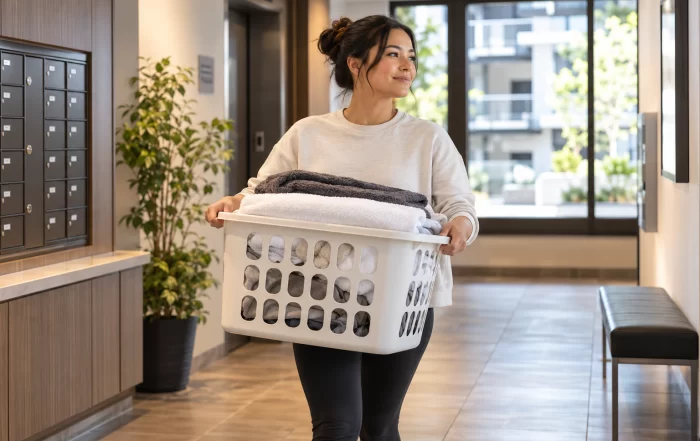
Multi-Housing Laundry Equipment: Vended vs. Owner-Operated Options for Apartment Properties
Multi-housing laundry equipment includes the commercial washers, dryers, and payment systems that serve shared laundry rooms in apartment buildings, condominiums, and other multi-unit properties. The right choice starts with one decision: will the room be [...]
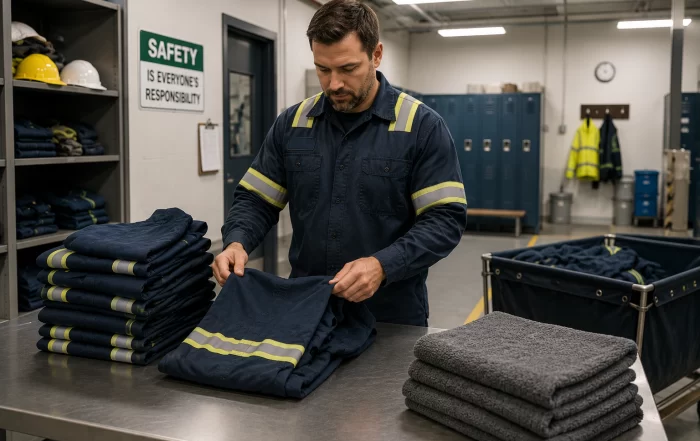
How Industrial Facilities Benefit from Commercial Laundry Equipment
Industrial and manufacturing facilities rely on efficiency, consistency, and dependable operations to keep production moving. While laundry operations may not always receive the same attention as production equipment, they play an important role in supporting [...]
Fire Department Laundry Equipment: Turnout Gear, Contamination Control, and Heavy-Duty Requirements
Fire department laundry equipment has to handle more than towels and uniforms. Fire halls also need to clean turnout gear, which is bulky, heavy when wet, and exposed to smoke, soot, and other contaminants on [...]